IN THIS CHAPTER
Read at your own pace. Take the ideas that fit your trip, and leave room for your own route.
Mostar and Višegrad
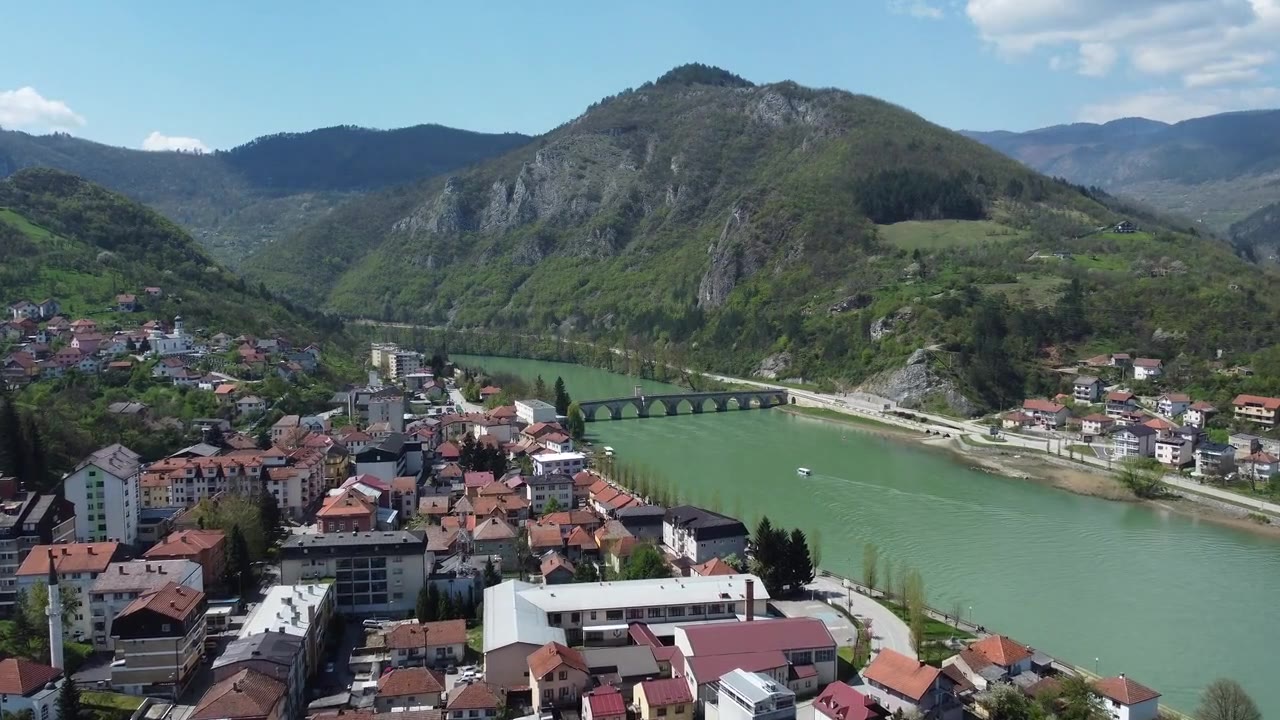
The Old Bridge Area of the Old City of Mostar was inscribed in 2005; the Mehmed Paša Sokolović Bridge in Višegrad followed in 2007. These are separate places on different rivers: the Neretva and the Drina. Make the history and setting of each the reason for visiting, rather than planning two quick bridge photographs.
Stećci: selected graveyards across four countries
The Stećci Medieval Tombstone Graveyards property has 28 components shared by Bosnia and Herzegovina, Croatia, Montenegro and Serbia. Twenty are in Bosnia and Herzegovina, including Radimlja and Boljuni near Stolac. The inscription does not cover every medieval tombstone in the country. Choose one or two sites that fit your route and allow time to notice their individual carvings and settings.
Janj and the European beech forests
Prašuma Janj is Bosnia and Herzegovina’s component of the transnational Ancient and Primeval Beech Forests of the Carpathians and Other Regions of Europe. It is different from Perućica, which is on UNESCO’s Tentative List. A protected forest’s recognition is not an invitation to enter freely: check the responsible authority’s current access arrangements before planning a visit.
Vjetrenica Cave, Ravno
Inscribed in 2024, Vjetrenica is recognised for its exceptional subterranean biodiversity. This adds an underground natural-history chapter to the country’s World Heritage story. Visitor access and the protected cave system are not the same thing; check the cave’s current arrangements before travelling and stay within the authorised visitor route.
Know which UNESCO list you are reading
World Heritage properties, Tentative List places and intangible cultural heritage are different designations. Konjic woodcarving and sevdalinka, for example, are recognised as living cultural practices. If your interests span buildings, craft and landscape, that distinction can help you choose a richer route without calling everything a UNESCO site.